

Multivitamins for cats are supplemental products, available as chews, powders, liquids, or gels, that provide a concentrated blend of essential vitamins, minerals, and often amino acids like taurine. While most healthy cats receive everything they need from a high-quality “complete and balanced” diet, there are specific situations where a veterinarian may recommend multivitamins for cats to support overall health or recovery.
Understanding when supplementation is beneficial and when it may do more harm than good is key to keeping your cat safe and thriving.
Why Do Cats Need Multivitamins?
A cat’s nutritional requirements can change based on age, health status, and what they eat. Below are the most common reasons a veterinarian may recommend multivitamins for cats.
Filling Dietary Gaps
Cats fed homemade or raw diets are at higher risk for vitamin and mineral imbalances. It is extremely difficult to achieve precise nutrient ratios without professional formulation. In these cases, a multivitamin can help with deficiencies that may affect bone health, vision, or organ function.
Supporting Senior Cats
As cats age, nutrient absorption can decline. Senior cats may benefit from multivitamins that include added support such as glucosamine and chondroitin for joint health, omega-3 fatty acids for brain and cognitive function, and antioxidants to combat age-related oxidative stress.
Recovery from Illness or Surgery
Cats recovering from surgery, chronic infections, gastrointestinal disease, or long-term stress may have depleted nutrient reserves. B-complex vitamins, particularly vitamin B12, are commonly used to support energy levels, appetite, and nerve function during recovery.
Targeted Health Support
Some multivitamins for cats are formulated for specific concerns:
-
Skin and Coat Health: Biotin and vitamin E support skin barrier function and coat quality
-
Immune Support: Antioxidants like vitamins C and E help support immune resilience, especially in stressed or indoor-only cats
-
Heart and Eye Health: Taurine is essential for preventing heart disease and retinal degeneration, as cats cannot synthesize it on their own
What Are The Best Multivitamins for Cats?
Multivitamins for cats typically contain fat- and water-soluble vitamins such as A, B-complex, D, and E, along with trace minerals and supportive nutrients. Some formulas also include omega fatty acids, probiotics, or joint-support compounds.
When picking a cat multivitamin, look for clear labels that break down actual amounts of key nutrients per serving, not just vague "percentages" or total omegas without specifying EPA/DHA. That's huge because processing can strip vitamins, and cats need bioavailable forms to fill gaps in commercial foods.
Prioritize these essentials:
-
Taurine (essential amino acid for heart, eyes, and nerves; cats can't make enough on their own).
-
B vitamins (like B12, niacin for energy, metabolism, and nerve health).
-
Zinc (immune support, skin/coat, growth).
-
Vitamin D3 (bones, muscles, immunity).
-
Choline (brain function, liver health).
Glandular extracts are a plus for endocrine support, mimicking what organs need to repair themselves. Skip fillers like powdered cellulose or excess carbs; aim for plant-based if beef/pork allergies are in play.
Check for AAFCO alignment or vet backing, and always vet-approve dosing based on your cat's age, weight, or issues like kidneys. What's your kitty's setup? Indoor senior? That sharpens the hunt.B vitamins (like B12, niacin for energy, metabolism, and nerve health).
These supplements are designed to support, not replace, a complete diet. They are most useful when a cat’s nutritional needs are not being fully met due to age, illness, or dietary limitations.

Can All Cats Take Multivitamins?
Not every cat needs a multivitamin. Cats eating a balanced diet labeled are often already meeting or exceeding their nutritional requirements. Supplementing unnecessarily can increase the risk of nutrient overload.
Multivitamins for cats are most appropriate when:
-
A veterinarian identifies a deficiency
-
A cat eats a homemade or restricted diet
-
A medical condition affects absorption or appetite
-
Age-related changes increase nutritional needs
Note that unlike humans, cats are highly sensitive to excess vitamins. Fat-soluble vitamins, particularly vitamin A and vitamin D, can build up in the body and cause toxicity. Too much vitamin A, for example, may lead to painful bone changes, joint stiffness, and reduced mobility. This is why supplementation should always be intentional and measured.
How to Choose a Safe Multivitamin for Cats
When selecting multivitamins for cats, safety and quality matter.
-
Check the Label: Look for products with the NASC (National Animal Supplement Council) seal, which indicates quality control and responsible manufacturing
-
Avoid Human Supplements: Human multivitamins are not formulated for feline metabolism and can be dangerous
-
Consult Your Veterinarian: Always talk to a professional or a certified HPHC Coach before starting a supplement, especially if your cat is already eating a high-quality commercial diet
A Practical Multivitamin Option for Everyday Feline Wellness
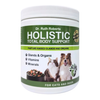
Finding a supplement that supports your cat’s long-term health while fitting easily into a daily feeding routine can be challenging, especially in multi-cat households or homes feeding homemade diets. Holistic Total Body Support, formulated by Dr. Ruth Roberts, is a powdered multivitamin designed to provide a gentle nutritional foundation for cats of all life stages, including seniors and those recovering from illness. The formula combines essential vitamins, minerals, and amino acids such as taurine with organ-based glandular support to help maintain heart, liver, and kidney function in a balanced, holistic way.

These reviews highlight one of the most important factors in feline supplementation: palatability. Because this multivitamin comes in a powdered form, it can be easily mixed into wet or dry food, making it especially helpful for picky eaters.
For many pet parents, especially those caring for senior cats, this ease of use matters because aging or illness can reduce nutrient absorption. The inclusion of nutrient-dense glandular ingredients, such as liver and heart, supports natural nutrient delivery and helps provide a broad-spectrum nutritional foundation that may promote normal energy levels, engagement, and overall vitality without disrupting a cat’s usual eating habits.
Final Thoughts
Multivitamins for cats can be a valuable tool when used thoughtfully and for the right reasons. While many cats thrive on a high-quality, complete diet alone, life stage changes, illness, stress, or non-commercial feeding approaches can create nutritional gaps that deserve attention. The key is not adding more “just in case,” but choosing intentional, well-formulated support that matches your cat’s individual needs.
Because cats are uniquely sensitive to excess vitamins, especially fat-soluble nutrients, supplementation should always be measured and purposeful. Working with a veterinarian or a certified HPHC coach can help ensure you are supporting your cat’s long-term wellness safely, without overloading their system. When done right, multivitamins can help maintain resilience, vitality, and quality of life as your cat ages or recovers.