





Skip to product information
1 of 18

Dr. Ruth Roberts

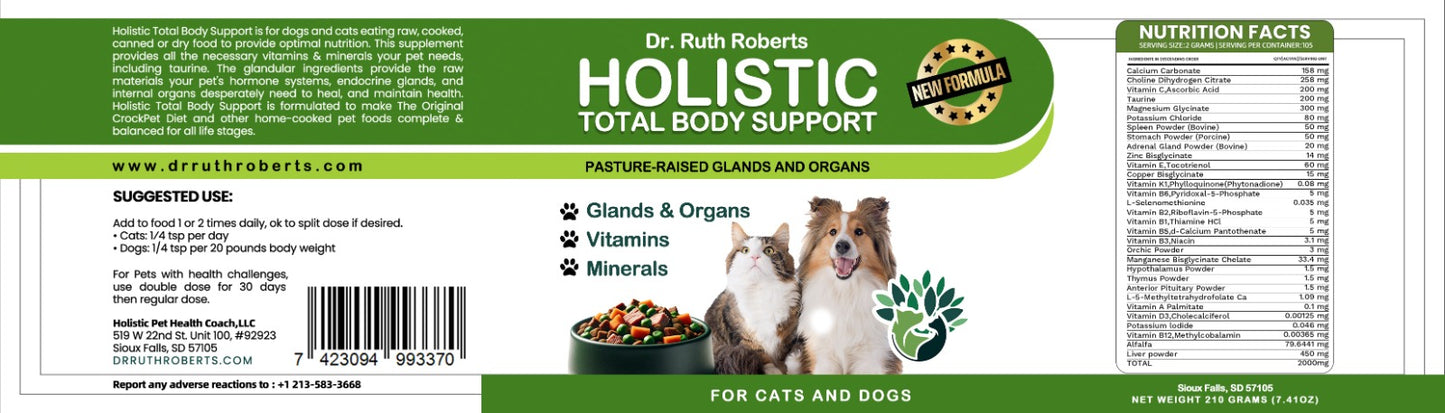
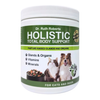
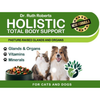
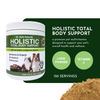
Holistic Total Body Support — Daily Multivitamin & Pasture-Raised Glandular Blend for Dogs & Cats

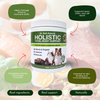
  • Methylated folate, chelated minerals, active B-vitamins — not the cheap synthetic forms most pet multis use
  • Pasture-raised glands and organs from Argentina & Brazil
  • Formulated for dogs AND cats — includes the preformed Vitamin A cats require
  • Easy-to-mix powder · 105 servings per container · 30-day satisfaction guarantee
Regular price $64.00 USD
Regular price $64.00 USD Sale price $64.00 USD
Sale Sold out
BUY MORE TO SAVE MORE
View full details

Most pet multivitamins are formulated to a price point. They use zinc oxide because it's cheap. Folic acid because it's cheap. Magnesium oxide. dl-Alpha tocopheryl acetate. Synthetic forms that are inexpensive to source — and poorly absorbed.

This isn't that.

Holistic Total Body Support has been reformulated with the nutrient forms widely recognized as more bioavailable: methylated folate (L-5-MTHF Ca) instead of folic acid, chelated bisglycinate minerals instead of oxides, active P5P / R5P / methylcobalamin B-vitamins, and tocotrienol vitamin E.

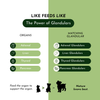
The glandular base — spleen, stomach, adrenal, orchic, hypothalamus, thymus, anterior pituitary, and liver — comes from pasture-raised animals in Argentina and Brazil, not feedlot operations. These cofactor-rich tissues have been used in functional nutrition for decades to provide nutritional support for the corresponding organs and endocrine systems.

Formulated for dogs and cats eating raw, cooked, canned, or dry food. One scoop daily helps round out the nutritional picture of a home-prepared or commercial diet.


Why the forms matter.

A multivitamin is only as useful as the body's ability to absorb and use what's in it. The forms we chose, compared to what's standard in lower-cost pet multis:

Nutrient

We use

What most pet multis use

Folate

L-5-Methyltetrahydrofolate Ca (active methylated form)

Folic Acid

Zinc

Zinc Bisglycinate (chelated)

Zinc Oxide

Copper

Copper Bisglycinate (chelated)

Cupric Oxide

Manganese

Manganese Bisglycinate Chelate

Manganese Sulfate

Magnesium

Magnesium Glycinate

Magnesium Oxide

Vitamin B6

Pyridoxal-5-Phosphate (active)

Pyridoxine HCl

Vitamin B2

Riboflavin-5-Phosphate (active)

Riboflavin

Vitamin B12

Methylcobalamin (active)

Cyanocobalamin

Vitamin E

Tocotrienol

dl-Alpha Tocopheryl Acetate (synthetic)

Selenium

L-Selenomethionine

Sodium Selenite

The forms on the left cost more. They're also the forms most functional nutritionists and integrative practitioners prefer.


Made for cats, too.

Cats are obligate carnivores. Unlike dogs, they cannot convert beta-carotene from plant sources into the active form of vitamin A — they require preformed vitamin A in their diet, full stop. That's why this formula uses retinyl palmitate at a low, measured dose (0.1 mg per serving): it's the form cats can actually use.

If your cat eats a home-prepared diet without organ meat, a multivitamin without preformed vitamin A simply doesn't meet feline nutritional requirements established by AAFCO.

Expiration Date: October 01, 2027

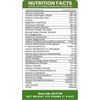
  • Calcium Carbonate — 158 mg
  • Choline Dihydrogen Citrate — 258 mg
  • Vitamin C, Ascorbic Acid — 200 mg
  • Taurine — 200 mg
  • Magnesium Glycinate — 300 mg
  • Potassium Chloride — 80 mg
  • Spleen Powder (Bovine, pasture-raised) — 50 mg
  • Stomach Powder (Porcine, pasture-raised) — 50 mg
  • Adrenal Gland Powder (Bovine, pasture-raised) — 20 mg
  • Zinc Bisglycinate — 14 mg
  • Vitamin E, Tocotrienol — 60 mg
  • Copper Bisglycinate — 15 mg
  • Vitamin K1, Phylloquinone (Phytonadione) — 0.08 mg
  • Vitamin B6, Pyridoxal-5-Phosphate — 5 mg
  • L-Selenomethionine — 0.035 mg
  • Vitamin B2, Riboflavin-5-Phosphate — 5 mg
  • Vitamin B1, Thiamine HCl — 5 mg
  • Vitamin B5, d-Calcium Pantothenate — 5 mg
  • Vitamin B3, Niacin — 3.1 mg
  • Orchic Powder (Bovine, pasture-raised) — 3 mg
  • Manganese Bisglycinate Chelate — 33.4 mg
  • Hypothalamus Powder (Bovine, pasture-raised) — 1.5 mg
  • Thymus Powder (Bovine, pasture-raised) — 1.5 mg
  • Anterior Pituitary Powder (Bovine, pasture-raised) — 1.5 mg
  • L-5-Methyltetrahydrofolate Ca (methylfolate) — 1.09 mg
  • Vitamin A Palmitate — 0.1 mg
  • Vitamin D3, Cholecalciferol — 0.00125 mg
  • Potassium Iodide — 0.046 mg
  • Vitamin B12, Methylcobalamin — 0.00365 mg
  • Alfalfa — 79.6441 mg
  • Liver Powder (Bovine, pasture-raised) — 450 mg

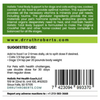
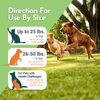
Cats: ¼ tsp per day

Dogs: ¼ tsp per 20 lbs body weight per day

May be split into two doses per day if preferred

For pets with health challenges: double dose for 30 days, then return to regular dose

150 servings per jar, a 60 day supply for a 50# Dog

Mix into food (raw, cooked, canned, or dry) — most pets accept it readily

Store in a cool, dry place; close lid tightly after use

Standard Shipping 3-5 business days

FAQ ABOUT THE PRODUCT

We've got you covered. Below are answers to some of the most frequently asked questions, providing you with all the details you need about this product and its benefits for your pet.

Yes, multivitamins like Holistic Total Body Support are designed for daily use to help support your pet’s overall health, but it's always best to follow the dosage recommendations and check with your vet.

Pets may need a multivitamin if they show signs of nutrient deficiencies such as low energy, dull coat, digestive issues, or if their diet lacks essential nutrients. Always consult your vet before introducing any supplements.

This multivitamin provides nutrients that contribute to overall daily nutritional support, helping pets maintain energy and vitality as part of a balanced diet.

Premium nutrient forms cost meaningfully more than the cheap synthetic versions. Methylated folate is roughly 10–20× the cost of folic acid. Bisglycinate-chelated minerals cost several times more than oxide forms. Pasture-raised glandulars cost more than feedlot-sourced. Each serving in this formula uses the more expensive option across the board, which is why a bottle costs $64 rather than the $20–30 typical of mass-market pet multis.

A glandular supplement uses dried, powdered tissue from animal organs and glands — spleen, adrenal, thymus, etc. The idea, used in functional and integrative nutrition for decades, is that these tissues provide cofactor-rich nutritional support corresponding to the same organs in your pet. The glandulars in this formula are sourced from pasture-raised animals in Argentina and Brazil to avoid the contaminant exposures associated with conventional feedlot operations.

Cats are obligate carnivores and lack the enzymatic ability to convert beta-carotene from plants into active vitamin A. They require preformed vitamin A (retinyl palmitate or similar) directly in the diet. AAFCO standards for cat food explicitly require preformed vitamin A for this reason. The dose in this formula (0.1 mg per serving) is calibrated to be appropriate for both dogs and cats.

This formula is designed for adult dogs and cats. For puppies, kittens, or pregnant/nursing pets, please consult your veterinarian about appropriate dosing — growing animals have different nutritional requirements than adults. For senior pets, the standard dose generally applies, though you may want to consult your vet if your senior is on multiple medications.

Multivitamins generally don't interact significantly with most medications, but you should always check with your veterinarian — particularly if your pet is on thyroid medication, anticoagulants, or chemotherapy.

Most pet parents report visible improvements (coat quality, energy, appetite) within 30–60 days of consistent daily use. Some pets respond faster, some slower, depending on the starting nutritional baseline.

You may also like

Our courses