

Cats are surprisingly prone to itchy skin because of their highly sensitive immune systems, delicate skin barrier, and instinctive grooming habits. Even a tiny irritation—like a single flea bite, a change in food, or dust in the home, can trigger intense scratching, licking, or overgrooming. That’s why cat itchy skin is one of the most common reasons pet parents seek help, and one of the easiest problems to miss until it becomes severe.
If your cat won’t stop scratching, licking, or biting at their skin, you’re not alone, and you’re not powerless. With the right knowledge, you can spot what’s causing the irritation early, soothe your cat’s itchy skin safely at home.
The Hidden Cause of Cat Itchy Skin
Pruritus (simply means itchiness) in cats isn’t a diagnosis by itself, but a symptom that something is irritating your cat’s skin or making their immune system react.
When a cat is itchy, they don’t just scratch with their back foot. They may overgroom themselves, nibble at their fur, chew their paws, or wake up at night to lick the same spots over and over. Over time, that constant self-trauma can create a range of visible skin changes: from hair loss and tiny scabs to red, inflamed patches or even open sores.
These are the most common skin problems seen in itchy cats, what they look like on the outside and what might be causing them on the inside.


How Can I Soothe My Cat’s Itchy Skin
When dealing with these diverse skin issues, a holistic approach often involves addressing multiple factors simultaneously rather than relying on a single solution. Each condition you've described can benefit from a tailored combination of methods to support healing and comfort. Here's how you might approach these issues holistically:
Alopecia (Hair Loss) From Overgrooming
- Stress and Anxiety Management: For psychogenic alopecia, reducing stress through environmental enrichment, pheromone diffusers, and natural calming aids can be beneficial. Ensuring a safe, stimulating environment is key
- Allergy Management: Identifying and eliminating allergens, whether food or environmental, can help reduce overgrooming. An elimination diet or allergy testing might be necessary
Erythema (Red, Inflamed Skin)
- Gentle Skin Care: Use hypoallergenic, fragrance-free shampoos and avoid harsh chemicals. Apple cider vinegar rinses can soothe irritated skin
- Addressing Infections: If secondary infections are present, natural antimicrobials that are safe for cats may help, but consult a vet for severe cases
Miliary Dermatitis
- Flea Control: Rigorous flea prevention is crucial. Natural flea repellents and regular grooming can help manage flea allergy dermatitis.
- Dietary Adjustments: Consider a diet free from common allergens, supplemented with omega-3 fatty acids to reduce inflammation.
Hot Spots
- Immediate Care: Clean and dry the area, and use soothing topical treatments like aloe vera or calendula. Prevent further trauma with an Elizabethan collar if needed
- Underlying Causes: Address any allergies or skin diseases contributing to the issue through diet and environmental changes
Scaly or Dry Skin (Seborrhea)
- Nutritional Support: Ensure a balanced diet rich in essential fatty acids. Consider supplements like fish oil to help support skin and coat health
- Humidity and Bathing: Maintain adequate humidity levels and avoid overbathing. Use moisturizing shampoos designed for pets
Papules or Pustules
- Infection Control: Natural antiseptics like diluted apple cider vinegar can help manage mild infections. Severe cases may require veterinary intervention
- Allergy Management: As with other conditions, identifying and managing allergies is crucial
Crusty Lesions (Feline Acne)
- Hygiene and Diet: Regularly clean the chin area and switch to stainless steel or ceramic bowls to prevent bacterial buildup. Consider dietary changes if allergies are suspected
Ulcers or Open Sores
- Nutrition: Feed a high-quality, varied diet (rotate proteins) and add omega-3s + probiotics to support skin, gut, and immune health.
- Infection control: Use gentle antimicrobials for mild issues, and keep your pet and their environment clean to prevent infections.
- Allergy management: Use elimination/rotation diets and reduce environmental triggers (dust, pollen, dirty bedding) to minimize flare-ups.
Holistic Integration
While each condition may require specific treatments, the overarching strategy involves supporting the immune system, reducing inflammation, and addressing environmental and dietary factors. A holistic pet health coach can guide you in creating a comprehensive plan tailored to your pet's unique needs, ensuring all aspects of their health are considered.
How Can I Soothe My Cat’s Itchy Skin with Home Remedies?
When it comes to soothing your cat's itchy skin, there are several home remedies you can try that are safe. Here are some options:
1. Supportive Diet & Hydration
-
High-quality, balanced food: Feeding a complete, high-quality diet (often with fewer, simpler ingredients) helps support the skin barrier and immune system.
-
Wet food & moisture: Adding more moisture (wet food, or a little water/broth on food) supports overall skin health.
-
Allergy-aware feeding: If food allergy is suspected, an elimination or limited-ingredient diet should only be done with your vet, but even small steps—like avoiding frequent food changes and cutting back on high-additive treats—can help reduce flare-ups.
2. Gentle Bathing
Cool Water Baths: If your cat is amenable to it, a gentle bath with cool or tepid water can help remove allergens and soothe irritated skin. Use a mild, cat-safe shampoo, and let it sit for about ten minutes before rinsing thoroughly
3. Apple Cider Vinegar Rinse
Diluted Solution: Mix 2 ounces of apple cider vinegar with a quart of water to create a soothing rinse. This can help balance the skin's pH and reduce itchiness. Apply it gently to your cat's coat and let it air dry
4. Omega-3 Fatty Acids
Dietary Supplement: Adding omega-3 fatty acids to your cat's diet can help reduce inflammation and improve skin health. A high-quality fish oil supplement can be beneficial, but ensure you use the correct dosage for your cat's weight
5. Calendula and Aloe Vera
Topical Application: Calendula and aloe vera have anti-inflammatory and soothing properties. You can apply a diluted calendula tea or aloe vera gel to affected areas to help calm the skin
6. Quercetin and Nettles
Natural Antihistamines: Quercetin, often combined with bromelain, and nettles can help reduce histamine levels in your cat's body, alleviating itchiness. These can be found in supplement form and should be used according to your vet's guidance
Final Thoughts
Itchy skin in cats is incredibly common, but it’s never “normal.” Whether you’re seeing hair loss, scabs, redness, or open sores, your cat is telling you something isn’t right.
By combining:
-
Good nutrition and targeted supplements to support the skin and immune system,
-
Infection control and gentle skin care, and
-
Thoughtful allergy and stress management,
you can make a huge difference in your cat’s comfort and long-term health. Home remedies can offer mild relief, but they work best as part of a plan guided by your veterinarian or a qualified holistic pet professional.
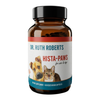
If you’d like more structure, you can dive into our step-by-step Allergy Support Protocol, which walks you through supplement support in an easy, practical way. For pets who need extra help, our Chill The Itch Plus bundle and Pet Allergy Relief Duo: Hista Paws + Omega Pawz are formulated to help soothe itchy skin, support the immune system, and promote a healthier coat from the inside out.
As always, check with your veterinarian before starting any new supplement or protocol—then use these tools to become your cat’s best health advocate at home.